

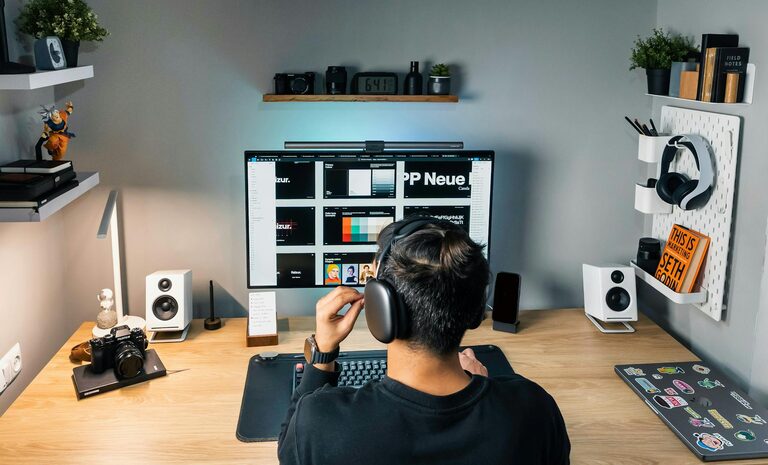
Creating a relaxing home workspace is essential for maintaining focus, reducing stress, and improving overall productivity, especially when working remotely. A well-designed home office not only boosts your work efficiency but also promotes your mental and physical well-being. Whether you have a dedicated room or just a small corner, these tips can help you transform your space into a comfortable and inspiring environment.
1. Choose the Right Location
Finding the perfect spot in your home is the first step in creating a relaxing workspace.
– Natural Light: Position your desk near a window if possible. Natural light can improve mood and reduce eye strain.
– Quiet Environment: Select a place away from high-traffic or noisy areas to minimize distractions.
– Space Considerations: Ensure you have enough room for your equipment and some personal touches without feeling cramped.
2. Invest in Comfortable Furniture
Comfort is key to staying productive and preventing physical strain.
– Ergonomic Chair: Choose a chair with good lumbar support, adjustable height, and comfortable padding.
– Desk Height: A desk at the right height helps maintain good posture. Consider adjustable desks that allow you to switch between sitting and standing.
– Foot Support: If your feet don’t touch the floor, use a footrest to improve circulation and posture.
3. Organize and Declutter
A tidy workspace reduces stress and helps you focus better.
– Storage Solutions: Use shelves, drawers, and organizers to keep supplies neat and easily accessible.
– Cable Management: Tidy up cords with clips or sleeves to avoid tangled messes.
– Limit Items on Desk: Keep only essentials on your desk to maintain a clean, distraction-free surface.
4. Add Soothing Elements
Incorporating calming features will help you feel more relaxed during work hours.
– Plants: Indoor plants add color, improve air quality, and have a calming effect.
– Soft Lighting: Use lamps with warm, adjustable lighting instead of harsh overhead lights.
– Personal Touches: Add photos, artwork, or inspirational quotes that make you happy without causing clutter.
5. Minimize Noise Distractions
Minimizing noise makes it easier to concentrate.
– Noise-Canceling Headphones: These are great if you can’t control background noise.
– White Noise Machines: A gentle background sound can mask distracting noises.
– Soundproofing: Consider rugs, curtains, or wall panels to absorb sound if noise is a regular issue.
6. Maintain Good Air Quality and Temperature
Your physical environment affects your comfort and productivity.
– Ventilation: Open windows regularly or use an air purifier to keep air fresh.
– Comfortable Temperature: Use fans, heaters, or air conditioners to maintain a comfortable climate.
– Humidity Control: A small humidifier can help if the air is too dry.
7. Personalize Your Workspace Wisely
Making your workspace feel like your own can boost motivation without causing clutter.
– Colors: Pick calming colors like blues, greens, or soft neutrals for your walls or accessories.
– Inspirational Items: Choose a few meaningful items that inspire you without overcrowding.
– Functional Decor: Use aesthetically pleasing organizers or desk accessories that help keep your space tidy.
8. Establish Routine and Boundaries
Creating a productive space also means managing how you use it.
– Set Work Hours: Stick to regular hours to maintain balance and avoid burnout.
– Break Space: Have a separate spot to take breaks and refresh away from your desk.
– Daily Reset: Spend a few minutes at the end of each day organizing your space for the next day.
9. Use Technology to Your Advantage
Technology tools can improve both comfort and efficiency.
– Adjustable Monitor Stands: Position your screen at eye level to prevent neck strain.
– Quality Webcam and Microphone: For clear video calls to reduce frustration.
– Task Management Apps: Stay organized and reduce mental clutter with digital to-do lists.
—
Final Thoughts
Designing a relaxing home workspace is about creating a balance between comfort, functionality, and inspiration. By paying attention to your environment and personal preferences, you can make your home office a place where you enjoy working and feel motivated every day. Start small, make gradual improvements, and notice how your productivity and well-being improve along the way.